
 Post by
The allure of risk-taking
Risk-taking behavior in casino games can be largely attributed to the thrill and excitement that comes with unpredictability. For many, the unpredictable nature of chance-based games creates a captivating environment where anticipation builds with every roll of the dice or spin of the wheel. This adrenaline rush can be addictive, propelling players to seek more of these experiences, especially when considering options like online betting australia that enhance the thrill further. The psychological impact of this excitement often overshadows the logical understanding of the odds, leading individuals to take risks they might ordinarily avoid in everyday life.
The concept of loss aversion plays a significant role in shaping risk-taking behavior as well. Players often feel a stronger emotional reaction to losses compared to gains of equal magnitude. This can lead to chasing losses, where individuals continue to gamble in hopes of recouping their previous losses, despite knowing that the odds are not in their favor. The cyclical nature of this behavior can entrap players in a loop of risk-taking, further amplifying the thrill while also deepening their financial struggles.
Moreover, social influences cannot be overlooked in understanding risk-taking at casinos. The presence of other players can create a sense of community and shared excitement. As individuals witness others taking risks and potentially winning, they may feel pressured or inspired to match this behavior, reinforcing the idea that risk-taking is a normal and rewarding part of the gaming experience. This social dimension can enhance the psychological drive to engage in risk-laden activities, making the casino environment even more enticing.
Emotional responses to winning and losing
Winning in casino games triggers a rush of positive emotions, such as joy and euphoria, which can reinforce the behavior of risk-taking. Neurobiological studies show that winning releases dopamine in the brain, a neurotransmitter associated with pleasure and reward. This chemical response creates a powerful feedback loop; winners are likely to gamble again, driven by the desire to replicate that euphoric state. The exhilaration experienced with a win is often so compelling that it can overshadow rational assessments of future risks, leading players to take increasingly bold gambles.
Conversely, the emotional response to losing can be severe, characterized by feelings of disappointment, frustration, and sometimes shame. This emotional turmoil can lead players to adopt riskier strategies in an attempt to recover lost funds, diving deeper into a cycle of high-stakes gambling. The phenomenon of “tilt,” where a player becomes emotionally compromised and makes poor decisions in the heat of the moment, is a common occurrence in casinos. Such emotional volatility can further blur the line between calculated risk and reckless behavior, making it difficult for players to remain rational.

This emotional rollercoaster creates an intricate tapestry of responses that influence future behavior at the gaming table. Players may oscillate between feelings of elation and despair, driving them to take risks that seem illogical in retrospect. Understanding the emotional underpinnings of their actions can help players recognize patterns in their gambling behavior, ideally enabling them to make more informed decisions in the future, although the reality often proves difficult to navigate due to the overpowering emotions involved.
The role of cognitive biases
Cognitive biases significantly influence how players perceive risk in casino games, often leading to distorted decision-making. One prevalent bias is the “gambler’s fallacy,” where players believe that past outcomes influence future results, despite the independence of each event. For instance, if a certain number does not appear in a roulette game, a player might irrationally conclude that it is ‘due’ to come up, prompting them to place bets on that number. This erroneous logic can result in increased risk-taking based on flawed reasoning, as players become convinced of their chances rather than acknowledging the odds.
Another key cognitive bias affecting risk behavior in casinos is the “illusion of control.” Players often believe they can influence the outcome of games that are fundamentally based on chance. This belief might be strengthened by engaging in rituals, such as specific betting patterns or superstitions that they believe will improve their odds. Such practices can lead players to take risks they wouldn’t normally contemplate if they perceived the games as purely luck-based, amplifying their engagement and expenditure significantly.
The impact of these cognitive biases is compounded by the immersive environment of casinos, which are carefully designed to disorient and engage the senses. Bright lights, sounds, and continuous action create an atmosphere that can skew cognitive perceptions further. This can lead players to make impulsive decisions without full consideration of the potential consequences, fostering an environment ripe for risky behavior. Understanding these biases is crucial for players to evaluate their choices critically and mitigate the propensity for reckless gambling, ultimately helping them to approach gaming more strategically.
The influence of environment and design
The physical layout and design of casinos are intentionally crafted to promote risk-taking behavior. From the moment players enter the premises, they are enveloped in an atmosphere designed to stimulate excitement and the impulse to gamble. The absence of clocks and windows creates a sense of timelessness, encouraging players to lose track of time and become more immersed in the experience. This manipulation of the environment can lead to increased risk-taking as players feel less pressure to make rational choices and more compelled to engage in the thrill of the moment.
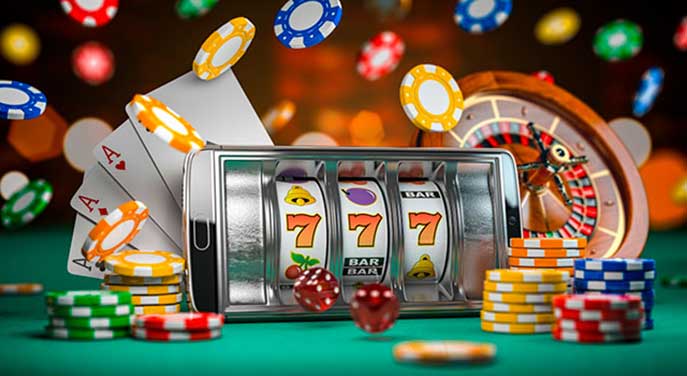
Additionally, the arrangement of gaming machines and tables is strategically planned to facilitate social interaction and create a sense of urgency. Crowded areas often feature the loudest sounds and flashing lights, enticing players to join in the fun and take risks they might otherwise avoid in a quieter setting. The close proximity of other players, coupled with a vibrant atmosphere, fosters a sense of community, making it easier to disregard personal boundaries and engage in more impulsive gambling behavior, as the excitement becomes infectious.
Moreover, casinos often employ psychological triggers, such as free drinks and bonuses, to keep players gambling longer. The allure of getting something for nothing further incentivizes risk-taking, as players may feel more inclined to take chances when they’re not fully aware of their financial commitments. By understanding how environmental factors contribute to risk-taking behavior, players can better navigate their experiences and make more informed decisions about their gambling habits, ultimately fostering healthier gameplay practices.
Conclusion and responsible gaming resources
In summary, the psychology behind risk-taking in casino games is a complex interplay of emotions, cognitive biases, and environmental influences. The thrill associated with gambling can entice individuals to take risks that defy logic and rational thought. By recognizing these psychological elements, players can develop a more nuanced understanding of their behavior and make better choices. Responsible gaming practices are crucial to maintaining a healthy relationship with gambling, allowing for enjoyment without the adverse effects.
Players seeking to moderate their risk-taking tendencies can benefit from educational resources and support systems that encourage responsible gambling. Many platforms provide valuable information on understanding odds, recognizing problematic behavior, and establishing personal limits. By leveraging these resources, individuals can equip themselves with the tools needed to make informed decisions while still enjoying the entertainment that gaming provides, ultimately fostering a balanced approach to their gambling experiences.
Ultimately, fostering awareness of the psychological factors at play can empower players to engage in safer gaming practices. Whether through self-reflection or utilizing available resources, players can navigate the exciting world of casinos while minimizing the risks associated with gambling behavior in order to protect both their finances and well-being. Embracing responsible gaming habits ensures that the thrill of the game remains a source of enjoyment rather than a path to distress.